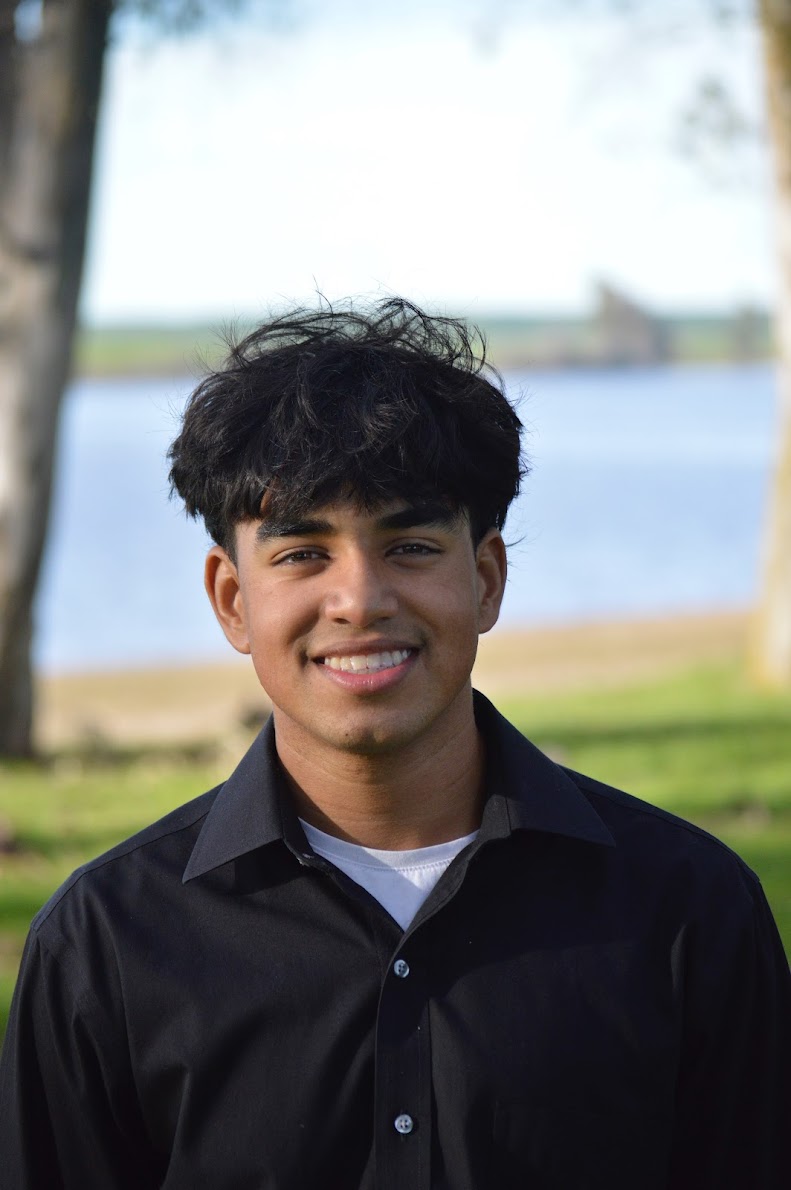
Aman Nindra
ML Systems • Robotics • AI Infrastructure
Data Science student at UCSD building autonomous vehicle perception, computer vision, and shared GPU training systems.
About
I'm Aman Nindra. Data Science, UCSD. I build machine learning systems and try to make them survive outside the notebook they were trained in.
Right now that's two things. A lane detection model for autonomous vehicles that hits 0.79 F1 on CULane, and a Kubernetes platform that lets 40+ professors and 50+ PhD researchers run their own training jobs without fighting over a GPU. I also spent last fall rebuilding a mental health startup's Flutter app, because their 24,000-line codebase had six different versions of the same onboarding screen.
I care more about whether a system holds up than whether the model is state of the art. Beyond that, I've trained Vision Transformers for wildlife image classification, fine-tuned BERT for multi-label emotion detection, and built an ASL voice assistant, mostly because I like seeing a model connected to something a person can actually use.
Currently Working On
Autonomous Vehicle Perception
Building real-time ego-lane detection (LaneATT/CULane) and YOLOv11-based obstacle detection for autonomous vehicles, trained on a SLURM-managed H100 cluster.
Shared ML Training Infrastructure
Architecting a 3-node Kubernetes ML training platform with Terraform-provisioned workspaces for 40+ professors and 50+ PhD researchers.
Distributed AI Training
Designing a self-hosted platform for shared GPU training jobs, queue management, job isolation, and VRAM-aware scheduling.
Applied ML Systems
Working on computer vision, NLP, and infrastructure projects using PyTorch, FastAPI, AWS, and Linux-based deployment workflows.
Education
University of California, San Diego
B.S. Data Science
Featured Projects
Strongest work — click GitHub links for source code.
Wildlife Camera Trap Classification
Top 4 finish — Vision Transformer on 16.5K camera-trap images.
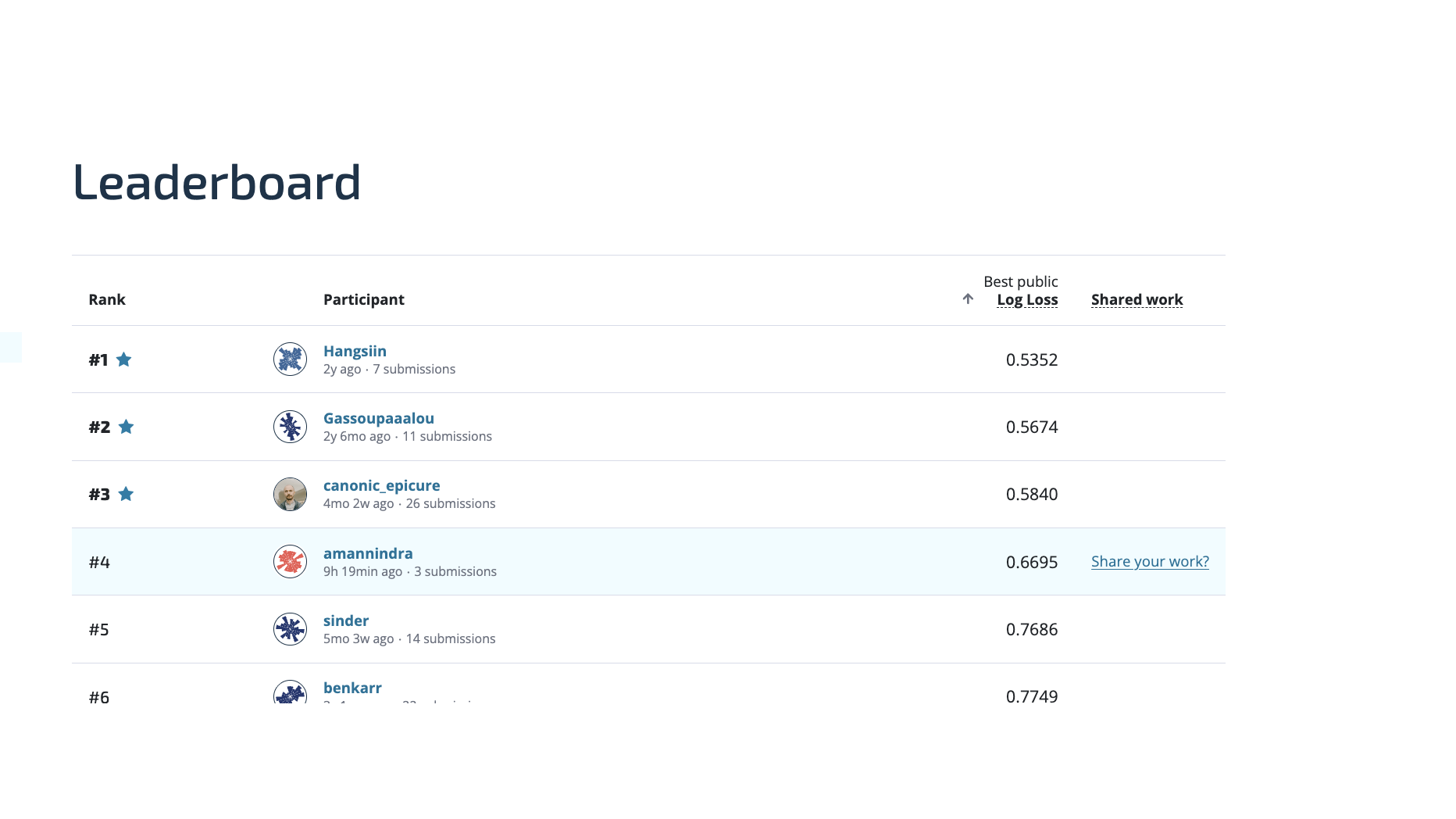
- Ranked Top 4 in a wildlife image classification competition across 8 species and 16.5K camera-trap images.
- Trained Vision Transformer models with mixed precision, class-weighted loss, and DistributedDataParallel on AWS SageMaker.
- Achieved about 91% validation accuracy and outperformed a ResNet18 baseline.
Self-Hosted Distributed AI Training Platform
Web platform for launching PyTorch jobs across shared GPU machines.
- Building a web platform for launching PyTorch training jobs on shared GPU machines.
- The system uses FastAPI, React, Kubernetes, and GPU-aware scheduling to route workloads based on available VRAM and compute.
- Current focus: job isolation, queue management, logs, and failure handling for multi-user training.
AI Emotion Intelligence Engine
BERT fine-tuned for 28-label emotion classification on GoEmotions.
- Fine-tuned BERT-base for 28-label emotion classification on GoEmotions.
- Improved multi-label performance using per-emotion threshold calibration instead of a single global cutoff.
- Achieved macro F1 around 0.64–0.70, with stronger recall on minority emotion classes.
Experience
Undergraduate Researcher • Merced, CA
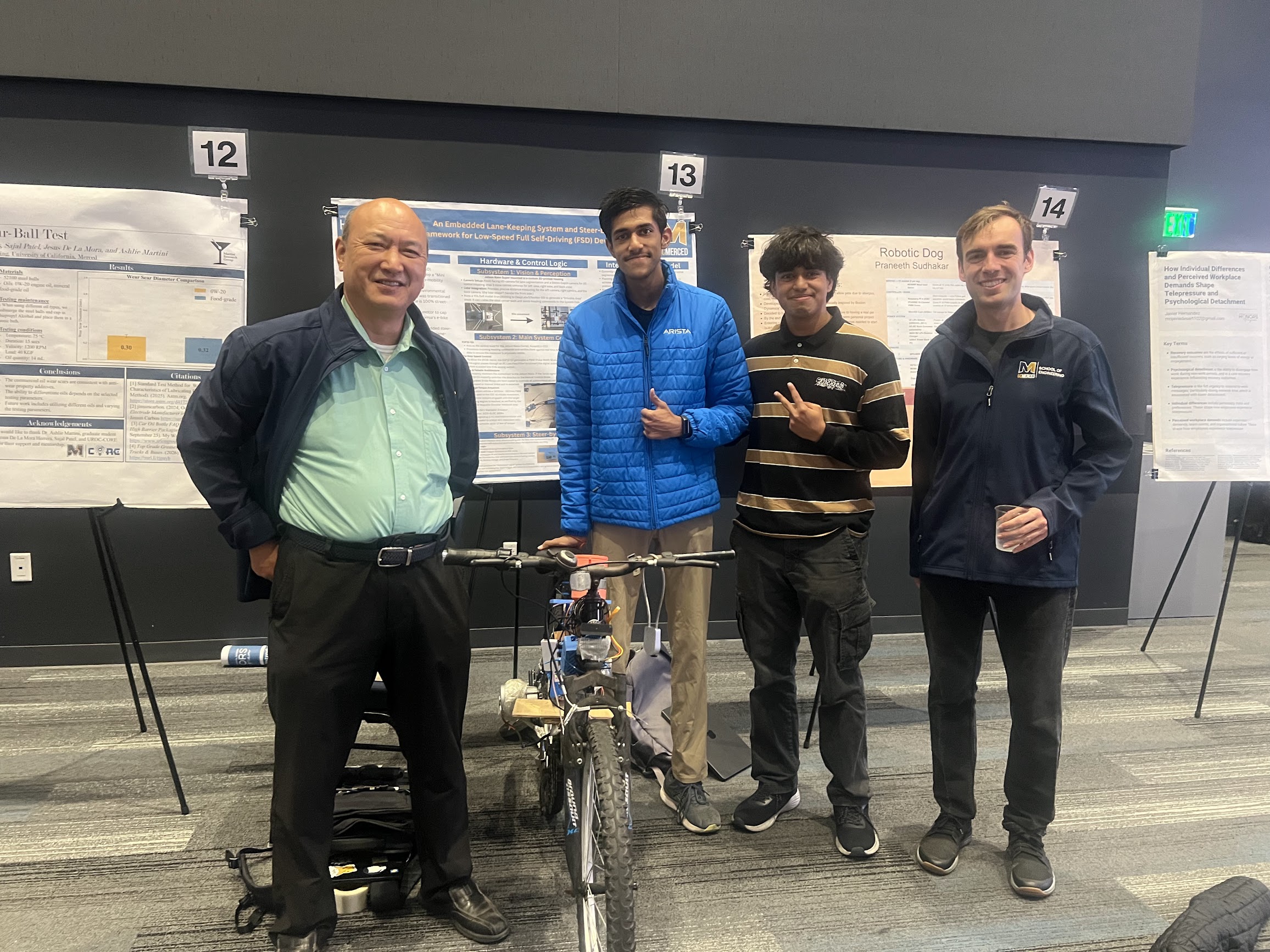
- Built a real-time ego-lane detection pipeline for autonomous vehicles using LaneATT trained on the CULane dataset, achieving 0.79 F1 (0.84 precision, 0.75 recall) on the validation set, trained on a SLURM-managed NVIDIA H100 cluster.
- Engineered a COCO preprocessing pipeline distilling 80 classes down to the 4 relevant to driving (person, vehicle, traffic light, stop sign) to train a YOLOv11 obstacle/traffic-control detector.
- Integrated lane detection and object detection into a single video-inference script with frame pre/post-processing, producing annotated driving footage for qualitative model evaluation.
- Applied this perception stack to a street-legal autonomous bicycle research platform: a Jetson Nano Super runs the lane/object detection models to compute a drivable area and target heading, which an ESP32-S3 control hub verifies against IMU data and executes through a custom steer-by-wire actuator and 250W motor, with hard-wired brake relays as a rider-override failsafe.
- Benchmarked ONNX Runtime (CUDA execution provider, FP32) against TensorRT (FP16 mixed-precision) engines on an NVIDIA Jetson Orin Nano Super, measuring a 4.55x latency reduction for LaneATT (125.7→27.6 ms/frame) and 1.83x for YOLOv11n (30.3→16.6 ms/frame), with an additional 1.92x throughput gain from power-mode configuration alone (MAXN_SUPER vs. the 15W default).
- Numerically validated FP16/INT8-quantized model exports against FP32 reference outputs across three architectures — lane detection, object detection, and monocular depth — confirming ≥0.999999 correlation before on-device deployment.
- Profiled concurrent multi-model GPU inference (separate CUDA execution streams) against sequential single-process execution, measuring 1.76–2.2x throughput gains under GPU contention.
Software Engineering Intern
- Architected a machine learning training platform on a 3-node Kubernetes cluster, including a control-plane node managing orchestration, PostgreSQL user data, and 5TB of persistent storage, plus 2 GPU worker nodes.
- Enabled 40+ professors and 50+ PhD researchers to train computer vision and NLP models on the platform.
- Built Terraform workspace templates for custom PyTorch/TensorFlow/Conda environments with configurable CPU, RAM, and up to 2x NVIDIA A30 GPUs per job.
- Each configuration provisions a dedicated dev environment via browser-based code-server or the Coder VS Code extension.
Software Engineering Intern • Remote
- Restructured a 24,000-line offline-first Flutter/Dart codebase into feature-based modules, eliminating duplicated legacy screens and consolidating navigation into a single reusable drawer shared by 6 core screens.
- Built the app's complete first-run experience: a 10-step onboarding questionnaire with Isar local persistence, Firebase-authenticated routing, and an interactive ShowcaseView walkthrough with database-backed progress tracking across 5+ screens.
- Shipped a goals-tracking feature end-to-end (Isar data model, Provider state management, home-screen UI) and built 4 custom date-range selector widgets for the emotion-analytics dashboard.
Project Manager, Code Agent • Merced, CA
- Scoped and led Code Companion, an AI-powered Python debugging tool that ingests GitHub repositories, runs flake8/mypy checks, and suggests LLM-generated fixes with explanations.
- Defined MVP scope, metrics, and the roadmap for a Next.js, FastAPI, and pgvector stack.
Project Manager, Research Copilot • Merced, CA
- Managed Research Copilot, a RAG-based assistant that ingests PDFs and arXiv links, retrieves relevant passages with hybrid search, and answers questions with citation-grounded responses.
- Designed the system architecture and evaluation plan around answer quality, latency, and pilot feedback.